How to Select Waterproof Label Materials for High Humid Condensation Environments
July 27, 2026
Introduction
Humidity, condensation, water splash and long-term damp storage are the most common causes of label failure in the packaging industry. Unlike dry indoor scenarios, high-humidity environments easily lead to label blistering, edge lifting, adhesive failure, ink peeling and substrate wrinkling, which seriously affect product packaging aesthetics, shelf display effect and brand reputation.
Most label procurement failures stem from mismatched material formulas — using standard paper labels or ordinary film labels in wet working conditions. Selecting qualified industrial-grade waterproof label stock requires comprehensive judgment based on substrate characteristics, adhesive performance, environmental temperature and actual application scenarios, rather than simply relying on nominal "waterproof" labels.
This article provides in-depth professional selection logic for humid environments, helping label converters and brand packaging engineers accurately match high-stability waterproof label materials.
1. Classification & Characteristics of Humid Application Environments
To achieve targeted waterproof matching, we divide common humid scenarios into four industrial grades according to humidity level, water contact form and temperature difference, eliminating blind material selection:
1.1 Static High Humidity Environment (Normal Temperature)
Main scenarios: indoor daily necessities, toiletries, coastal warehouse storage, bathroom products. The environment features high air humidity, frequent water splash and steam erosion, no low-temperature condensation and no long-term water soaking. The core requirement of labels is moisture-proof and splash-resistant, avoiding substrate water absorption and surface ink falling off.
1.2 Low-Temperature Condensation Environment
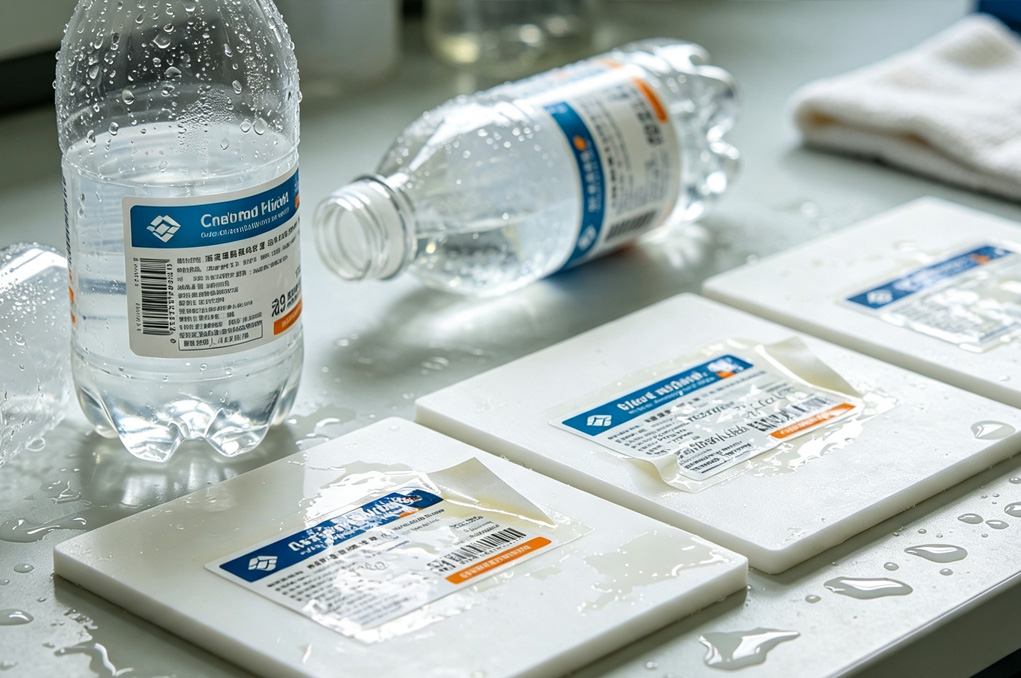
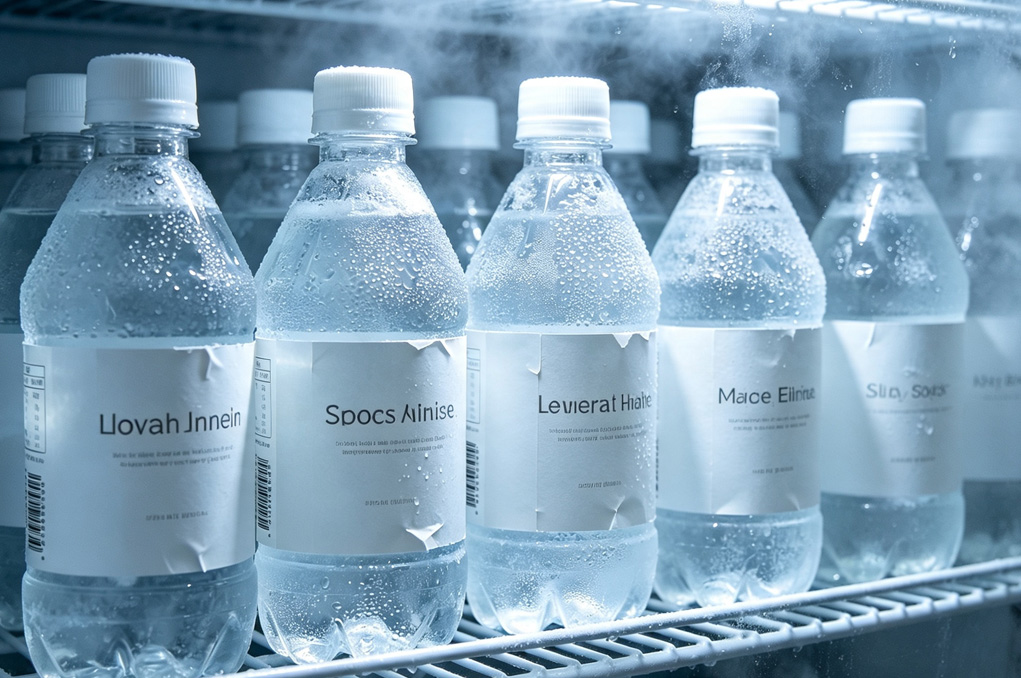
Main scenarios: refrigerated beverages, dairy products, frozen food, cold-chain packaging. This is the most stringent humid working condition. Alternating cold and hot temperature causes continuous dense condensation on the bottle surface. Ordinary adhesives will rapidly lose viscosity, resulting in large-area peeling and edge warping.
1.3 Dynamic Water Washing & Oil-Humid Composite Environment
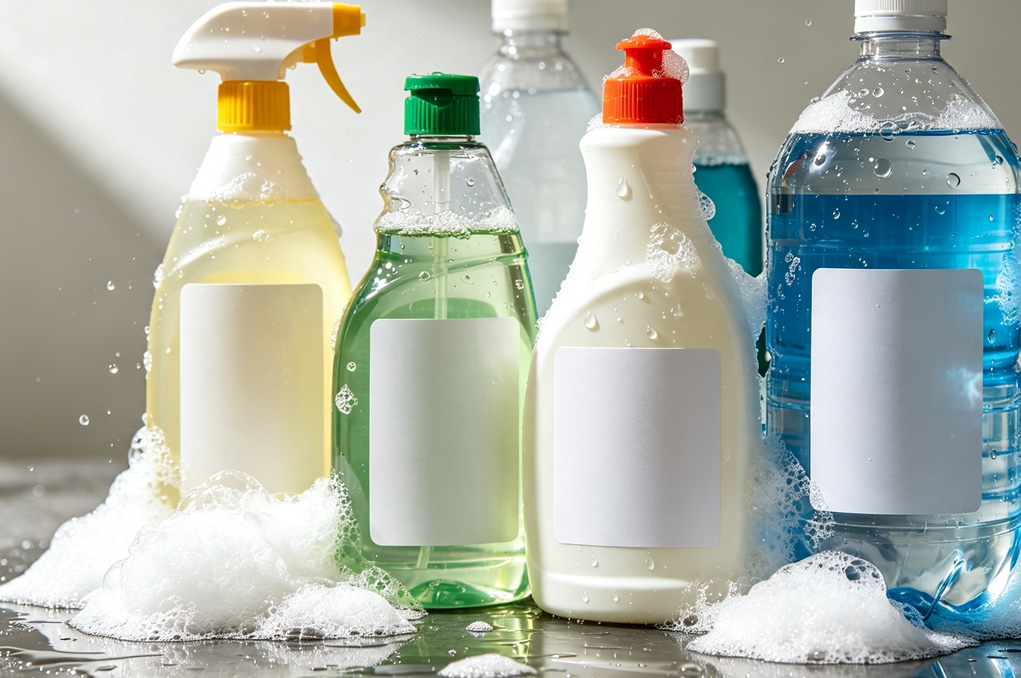
Main scenarios: kitchen detergents, cleaning supplies, reusable packaging containers. Labels need to withstand frequent manual wiping, running water washing, and composite erosion of oil fume and water vapor, requiring dual oil-proof and waterproof performance.
1.4 Outdoor Rain & Weathering Humid Environment
Main scenarios: outdoor retail products, daily chemical packaging, long-term open-air storage. Labels need to resist rain soaking, solar ultraviolet radiation and high-temperature and high-humidity aging, requiring excellent weather resistance and long-term waterproof stability.
2. Core Waterproof Mechanism of Label Materials
The waterproof capability of self-adhesive labels depends on three core components: face stock, adhesive layer and liner protection. Any link failure will lead to overall label waterproof failure.
2.1 Face Stock Substrate Barrier Performance
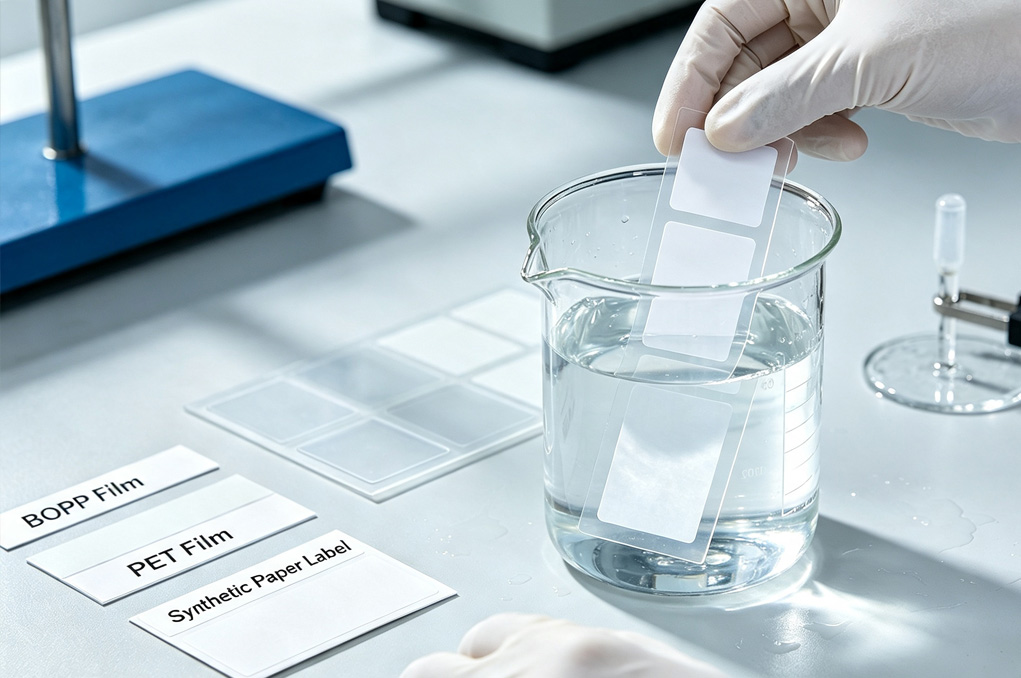
Paper-based substrates (coated paper, offset paper) have porous structures and natural water absorption, which cannot achieve fundamental waterproofing, even with surface coating. Film substrates such as BOPP, PET and synthetic paper have dense molecular structures, zero water absorption, and are the only qualified base materials for long-term humid scenarios.
2.2 Adhesive Layer Hydration Stability
Most ordinary acrylic adhesives are prone to hydration and viscosity attenuation after contacting water. Industrial waterproof labels adopt modified acrylic or rubber-based adhesive formulas to ensure molecular bonding stability in humid environments, avoiding glue layer failure and label displacement.
2.3 Liner Moisture Isolation Protection
High-quality waterproof label stock uses high-density glassine liner or PET liner to isolate external moisture from penetrating into the adhesive layer during storage and transportation, ensuring the consistency of factory viscosity.
3. Scenario-Based Professional Material Selection Scheme
Combined with actual industrial application data, we match the most cost-effective and stable waterproof label stock for different humid scenarios, abandoning generalized and inaccurate selection methods:
3.1 Normal Temperature High Humidity & Splash Resistance: Glossy/Matte BOPP Stock
BOPP film features zero water absorption, excellent splash resistance and stable printing performance. It is cost-effective and suitable for mass-produced daily necessities, toiletries and general packaging. It fully meets daily moisture-proof and anti-failure requirements of shelf display.
3.2 Low-Temperature Condensation Resistance: Low-Temp Modified BOPP/PET Stock
Matched with professional low-temperature anti-condensation adhesive, the material maintains stable initial viscosity and permanent adhesion in 0℃~15℃ cold storage environments. It effectively solves label peeling caused by bottle sweat, specially used for beverage cold chain and frozen food packaging.
3.3 Oil-Water Dual Protection: High-Density PET Film Stock
PET substrate has stronger chemical resistance and oil-fume erosion resistance than BOPP. It adapts to complex kitchen oil-water composite environments, resistant to repeated water washing and wiping, with no ink falling off or substrate aging.
3.4 Super Wear-Resistant & Soaking Resistant: Synthetic Paper Stock
Synthetic paper integrates waterproof, tear-proof, scrub-resistant and aging-resistant properties. It can withstand long-term water soaking and frequent surface friction, suitable for high-standard reusable product labels and outdoor wet environment packaging.
4. Industrial-Grade Waterproof Inspection & Verification Standards
To avoid unqualified nominal waterproof materials, professional procurement needs to pass the following three physical tests to verify actual performance:
4.1 Long-Term Soaking Test
Soak the labeled sample in normal temperature water for 48 hours. Qualified waterproof labels have no substrate swelling, no blistering, no edge lifting, and clear and complete printed patterns.
4.2 Low-Temperature Condensation Cycle Test
Place the labeled product in a 5℃ refrigeration environment for 72 hours of continuous condensation cycling. The adhesive layer keeps stable viscosity without peeling or warping.
4.3 Water Scrubbing Resistance Test
Wipe the label surface with a wet cloth for 50 times continuously. Qualified materials have no ink loss, no surface scratches and no adhesive failure.
5. Common Industrial Selection Errors & Avoidance Methods
5.1 Blindly Believing in Coated Waterproof Paper
Surface-coated paper labels can only resist temporary water splashes and cannot adapt to long-term humid environments. The paper base will absorb moisture from the edge, causing overall delamination. Film substrate is the only reliable choice for continuous damp scenarios.
5.2 Confusing Conventional Waterproof with Condensation Resistance
Ordinary waterproof adhesive is only suitable for normal temperature water contact. It will lose adhesion rapidly in low-temperature condensation environments. Cold chain products must use specially modified low-temperature anti-sweat adhesive formula.
5.3 Ignoring Oil-Water Composite Corrosion
Pure waterproof materials cannot resist oil-fume erosion. Kitchen and cleaning product labels must adopt oil-water dual-proof PET/BOPP composite formula to ensure long-term stability.
6. Customized Waterproof Label Stock Solutions
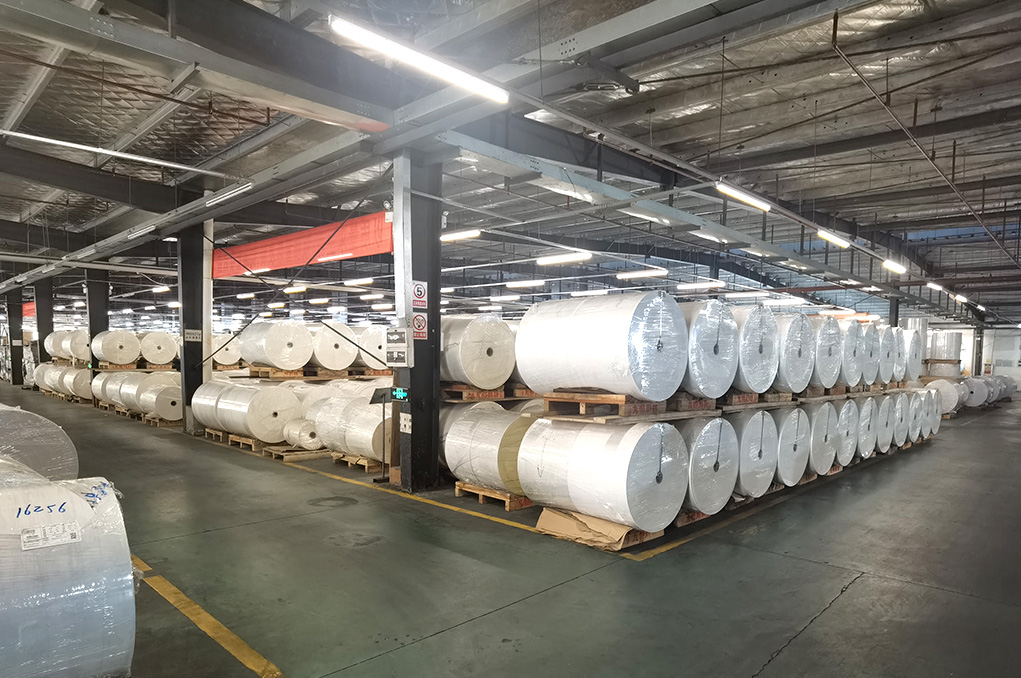
Wenzhou Hengchuang New Materials focuses on R&D and production of industrial-grade waterproof self-adhesive label jumbo rolls. Different from standardized universal materials, we provide scenario-based customized formulas for high-humidity, condensation, oil-water composite and outdoor weathering environments.
We support customized substrate thickness, surface gloss, adhesive type (permanent, removable, low-temperature resistant), roll specifications and liner materials. All waterproof label stock is compatible with flexographic printing, digital printing, hot stamping and die-cutting processes, and meets REACH, RoHS and other international compliance standards.
We provide free professional material testing samples and targeted selection suggestions to help customers completely solve label failure problems in humid environments and improve product packaging competitiveness.
Wenzhou Hengchuang New Materials
Professional Jumbo Roll Self Adhesive Label Stock Manufacturer